
How To Care For A Deaf Dog The Right Way
December 30, 2025
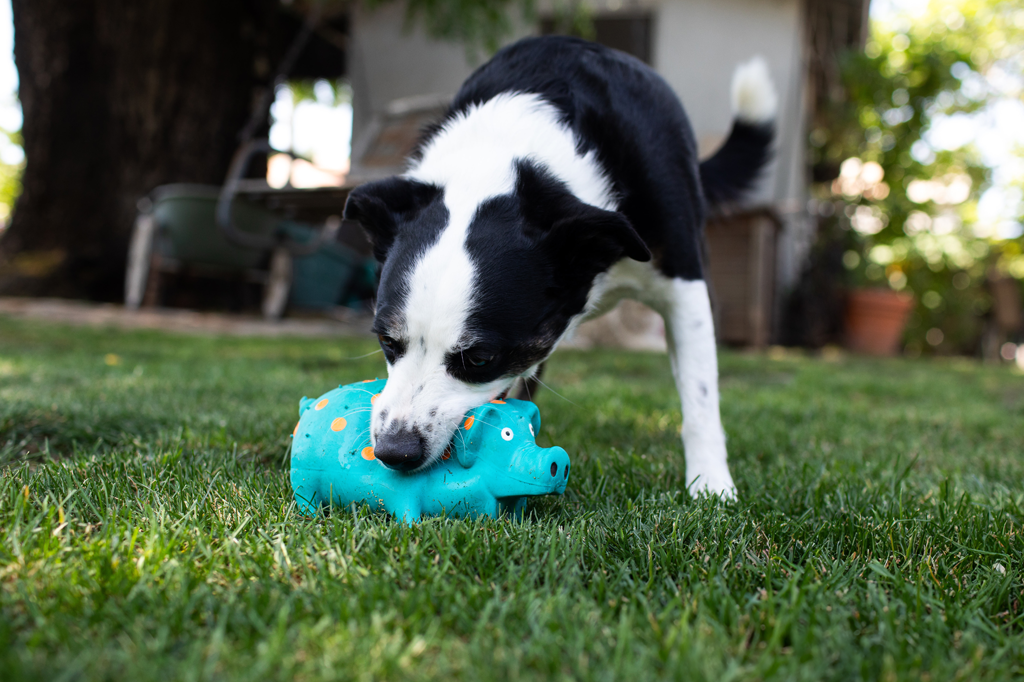
Caring for a deaf dog may feel challenging at first, but with the right knowledge and adjustments, dogs with hearing loss can live happy, healthy lives. Dogs that lose their hearing due to aging, injury, or congenital conditions can still thrive when owners adapt their pet care routines.
While your dog may no longer respond to verbal commands, they can still communicate with you through visual cues, touch, and smell. With some patience, interactive dog toys, and the right techniques, a deaf dog can integrate smoothly into a loving home environment.
Deafness In Dogs Explained
Before we get into how to care for a deaf dog, it’s important to know what deafness means for your pet. Deafness in dogs can be congenital, meaning they are born without the ability to hear, or it can develop later in life due to injury, illness, or old age.
Older dogs, in particular, may experience gradual hearing loss as part of the aging process. In some cases, deafness is caused by chronic ear infections, or it could be related to certain breeds that are more prone to hearing problems.
If you suspect hearing loss, observing how your dog responds to everyday sounds can provide clues, but a veterinary exam is needed for confirmation. If they don’t react, they may have some degree of hearing loss. A vet visit can confirm this diagnosis and help determine if there are medical treatments available to slow down or manage the condition. Even if hearing loss is confirmed, a deaf dog can live a full and happy life with some lifestyle adjustments.
Consistency and Routine Are Key
Deaf dogs rely heavily on consistency, and keeping a regular routine helps them feel safe and secure. Having a predictable daily schedule will reduce anxiety and help your dog adjust to their new lifestyle. Regular feeding times, play sessions, and walks make it easier for your deaf dog to anticipate what’s coming next.
For example, establish a regular time to walk your dog each day, and keep the same paths and parks to help them become familiar with their environment. You can also use the same interactive and multi-textured toys and activities consistently so your dog knows what to expect. Dogs are creatures of habit, and routine helps them navigate their day with confidence.
How to Communicate With a Deaf Dog
One of the first things to address when caring for a deaf dog is communication. Deaf dogs may not respond to verbal commands, but they can still be trained and engage with their environment in other ways. The key is to use visual and tactile cues.
Visual cues are incredibly effective for dogs with hearing loss. You can train your dog to respond to hand signals, light switches, or any visual markers that you can consistently use. A simple hand wave or a thumbs-up motion can become a command that signals a desired action, like sitting or staying. For some owners, turning on a light or using a flashlight to signal the dog can be a useful communication tool, especially if you need to call them indoors at night.
Consistency is important. Just like with any dog training, repetition helps your dog associate specific actions with your cues. Over time, they will learn that specific gestures or motions from you mean something important, like it’s time for a walk or a treat.
Creating a Safe Environment for Your Deaf Dog
Safety is a priority when caring for a deaf dog, especially when it comes to outdoor activities. Deaf dogs cannot hear approaching traffic, other animals, or dangerous situations like people calling them back. As a result, it’s essential to adapt their outdoor routine.
Never let your deaf dog off-leash in an unenclosed area. Always keep them on a leash during walks, and if you have a fenced yard, ensure the fence is secure. You can also teach your dog to respond to visual cues such as waving your arms or using a flashlight to signal them to come inside. To make it easier to locate your dog, consider using a bell on their collar or a pet locator.
Startle Training: Helping Your Dog Avoid Frightening Surprises
Since a deaf dog cannot hear your footsteps or other sounds, they may be more prone to being startled, especially when they are sleeping. It’s important to train your dog to understand when you are near them so they are not frightened by your approach.
For startle training, gently approach your dog so they can see you coming. If your dog is sleeping, you can tap on the ground or stomp your foot gently to let them know you’re there. It’s also important to teach them to respond to your touch in a calm way. Begin by softly touching them in a way that they can feel and then rewarding them with praise or treats when they respond calmly. With enough repetition, your dog will learn to expect your presence and not feel startled by your approach.
Using Toys and Enrichment for a Deaf Dog
Deaf dogs still love to play and interact, though they may need different types of toys to engage with. Toys that make noise, like squeaky toys, may not have the same effect on a deaf dog, but there are plenty of other toys and activities that will keep them entertained.
Consider investing in tactile or scented toys. Chew toys, puzzle feeders, and rope toys are all great for deaf dogs. For example, rope toys offer dogs the chance to play tug-of-war and chew, while Aromadog toys provide sensory stimulation with pleasant scents. These types of toys engage your dog’s other senses (such as smell and touch), which are essential for a fulfilling playtime experience.
Interactive play and puzzle toys also keep your dog’s mind sharp. Even though they can’t hear you, these toys challenge them to think and problem-solve. They will enjoy the mental stimulation and the bonding time with you.
Creating A Deaf Dog-Friendly Home
A home that is designed to be accessible and safe for a deaf dog will make their life easier. Avoid rearranging furniture or moving objects too often. A consistent layout allows your dog to navigate the space with ease. Additionally, using different textures on the floor or placing rugs in strategic locations can help them understand where they are in the house.
To help your dog with navigation, try to use visual cues like lights or hand signals, as mentioned earlier. If your dog enjoys resting in a particular spot, such as by the window or in their bed, make sure that area remains unchanged. This familiarity will give them comfort and a sense of security.
Training A Deaf Dog: Focus On Visual Cues
Training a deaf dog is entirely possible and can strengthen communication and trust. The key is to use visual cues instead of verbal commands. Start by teaching simple commands like “sit,” “stay,” or “come” using hand signals or even a light signal. Positive reinforcement through treats or praise works just as effectively as it does with hearing dogs. It’s important to be patient during this process and celebrate every small success.
Supporting Your Dog’s Emotional Well-Being
Just because your dog cannot hear doesn’t mean they cannot experience joy and affection. Deaf dogs still need the same emotional support and connection as hearing dogs. Spend quality time with your dog, engage in regular play, and provide affection to maintain a strong bond.
It’s also important to remember that deaf dogs may become startled or confused when approached suddenly. Always approach your dog in a way that lets them see or feel you coming. Don’t surprise them, and always reward them for calm behavior. Positive reinforcement will encourage your dog to be confident and comfortable.
With the right tools and a little patience, you can help your dog adjust and thrive in their new reality, showing them that they are loved, cherished, and cared for every single day. Visit our pet care section to explore products that will support your deaf dog’s needs and enhance their quality of life!